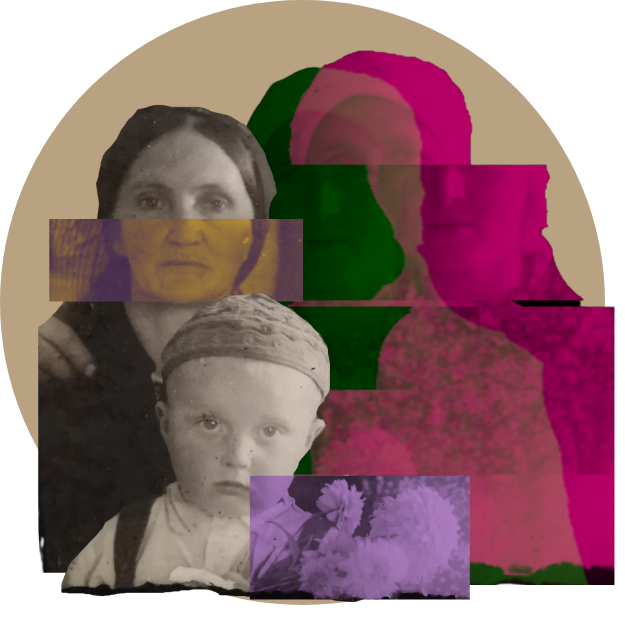

At the core of the project is a growing digital archive of
- Declassified KGB archives: surveillance files, agent reports, interrogation records, criminal files, and administrative documentation.
- Endangered community counter-archives: alongside official KGB records, the project engages with community-held archives – collections created by religious and minority groups who documented their own lives under surveillance. See our endangered archives initiatives.
The archive is designed as
- a research infrastructure for interdisciplinary scholarship
- a digital environment for large-scale analysis
- a preservation platform for vulnerable historical records
Methods
HIDE combines archival research, ethnographic and historical analysis, and computational methods. This integrated approach allows us to trace networks of surveillance, analyse patterns of repression and dissent, and compare across regions, languages, and archives.
The project develops new ways of working with sensitive, complex, and politically charged archival material.
Why It Matters
The history preserved in these archives continues to shape contemporary Europe.
Understanding systems of surveillance and repression is essential for:
- democratic accountability
- transitional justice
- historical reconciliation
HIDE connects archival research with broader questions of memory, power, and the present.
 HIDE: History Declassified